


Some error occured while loading the Quick View. Please close the Quick View and try reloading the page.
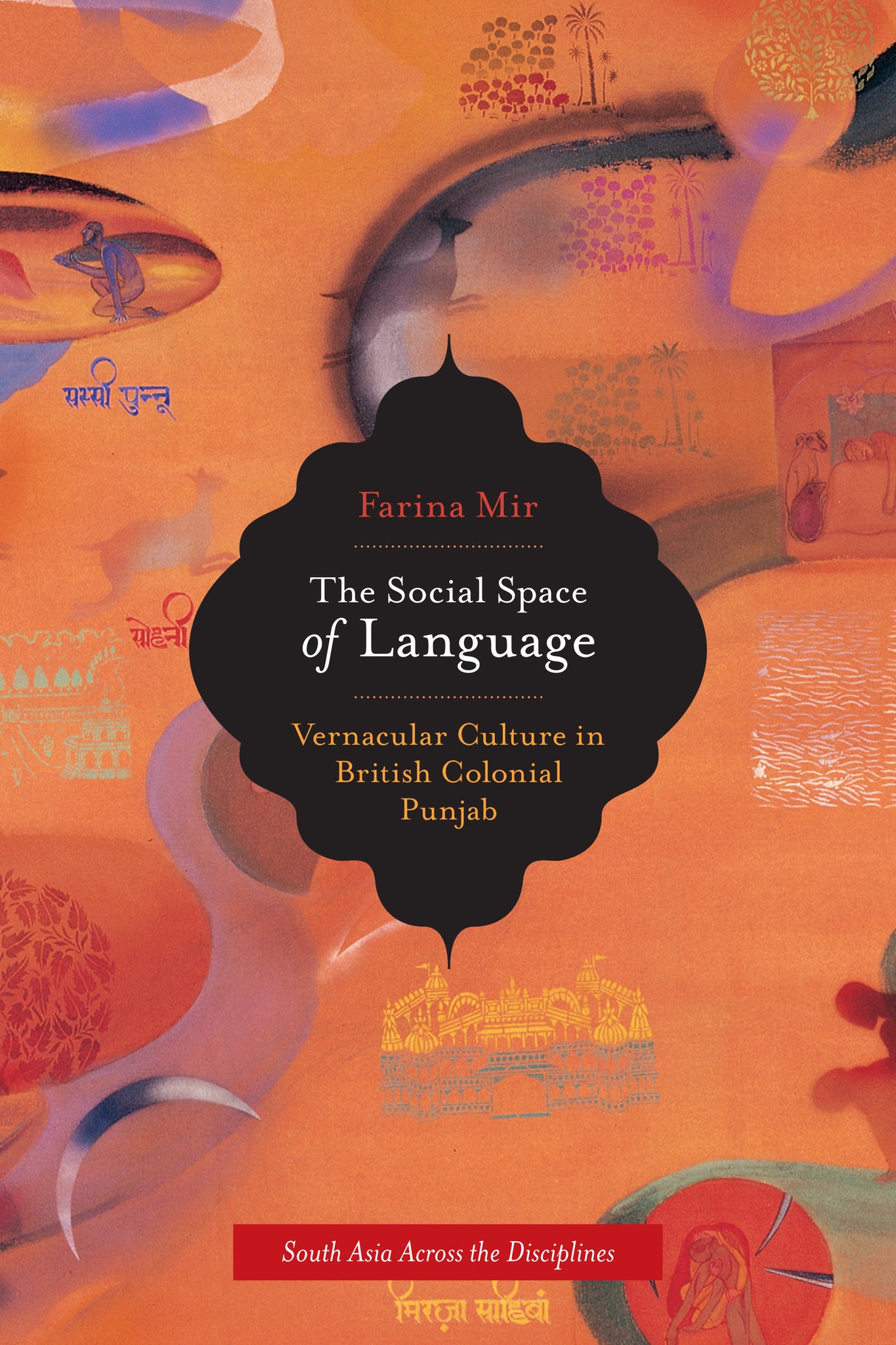
This rich cultural history set in Punjab examines a little-studied body of popular literature to illustrate both the durability of a vernacular literary tradition and the limits of colonial dominance in British India. Farina Mir asks how qisse, a vibrant genre of epics and romances, flourished in colonial Punjab despite British efforts to marginalize the Punjabi language. She explores topics including Punjabi linguistic practices, print and performance, and the symbolic content of qisse. She finds that although the British denied Punjabi language and literature almost all forms of state patronage, the resilience of this popular genre came from its old but dynamic corpus of stories, their representations of place, and the moral sensibility that suffused them. Her multidisciplinary study reframes inquiry into cultural formations in late-colonial north India away from a focus on religious communal identities and nationalist politics and toward a widespread, ecumenical, and place-centered poetics of belonging in the region.

Price: $85.00
Pages: 294
Publisher: University of California Press
Imprint: University of California Press
Series: South Asia Across the Disciplines
Publication Date:
04 July 2010
Trim Size: 9.00 X 6.00 in
ISBN: 9780520262690
Format: Hardcover
BISACs:
Farina Mir is Associate Professor of History at the University of Michigan.
List of Illustrations
Acknowledgments
A Note on Translation, Transliteration, and Use of Foreign Terms
Introduction
1. Forging a Language Policy
2. Punjabi Print Culture
3. A Punjabi Literary Formation
4. Place and Personhood
5. Piety and Devotion
Conclusion
Appendix A. Colonial-Era Hir-Ranjha Texts Consulted
Appendix B. Punjabi Newspapers, 1880–1905
Appendix C. Punjabi Books Published Prior to 1867
Notes
Bibliography
Index
Acknowledgments
A Note on Translation, Transliteration, and Use of Foreign Terms
Introduction
1. Forging a Language Policy
2. Punjabi Print Culture
3. A Punjabi Literary Formation
4. Place and Personhood
5. Piety and Devotion
Conclusion
Appendix A. Colonial-Era Hir-Ranjha Texts Consulted
Appendix B. Punjabi Newspapers, 1880–1905
Appendix C. Punjabi Books Published Prior to 1867
Notes
Bibliography
Index